Home Call for Papers Topics Speakers Organizers Sponsors Submit Paper →
KDD 2026 · Jeju, Korea · August 2026

RespMultimodal 2026:
Responsible Multimodal
Foundation Models for
Knowledge Discovery

Responsibility · Reliability · Robustness in MLLM

Co-located with ACM SIGKDD 2026 — the premier international conference on Knowledge Discovery and Data Mining. Held at ICC Jeju, South Korea.

August 2026 (TBD)
ICC Jeju, South Korea
Best Paper Award
Important Dates
Paper SubmissionMay 7, 2026
Author NotificationJune 4, 2026
Camera-ReadyJune 11, 2026
Workshop DateAugust 2026 (TBD)
Submit via OpenReview →
About the Workshop

Goals & Scope

Multimodal Large Language Models (MLLMs), integrating text, images, audio, and video, are rapidly becoming central to data analysis, pattern summarization, and hypothesis generation. However, growing evidence suggests that biases, vulnerabilities, and opaque decision processes in these models can fundamentally reshape the outcomes of data mining.

RespMultimodal 2026 focuses on framing bias, fairness, interpretability, and robustness not as abstract ethical concerns but as core data mining challenges. We explicitly seek work that explores how MLLMs affect discovery validity, introduce spurious cross-modal correlations, and influence data-driven decision-making within the KDD community's scope.

All submissions must include a clear Responsible AI component — such as fairness, reliability, or transparency. Work focusing solely on unimodal LLMs is out of scope.

What to Expect

Workshop Highlights

01
Two Submission Tracks
Submit a full research paper (up to 6 pages) or an extended abstract for position, vision, or early-stage work (up to 2 pages).
02
KDD Main Track Welcome
Authors of accepted KDD 2026 main track papers are invited to present their work at the workshop if the topic aligns with MLLM and Responsibility.
03
Non-Archival
Accepted papers are posted on the workshop website but not in the ACM Digital Library, so authors may freely submit extended versions elsewhere.
04
Best Paper Award
Outstanding papers will be recognized with a Best Paper Award. Details to be announced.
Research Areas

Topics of Interest

We invite submissions on topics including, but not limited to, the following areas. All submissions must pertain to Multimodal LLMs.

Evaluation and Auditing
Methods and metrics for auditing discoveries mediated by foundation models.
Benchmarks and Datasets
New datasets for assessing the responsibility and reliability of MLLMs in discovery tasks.
Bias and Vulnerabilities
Analysis of how multimodal biases distort pattern discovery and lead to spurious correlations.
Fairness-Aware Discovery
Trade-offs between fairness constraints and discovery power.
Interpretability and Transparency
Techniques for making multimodal models understandable for trustworthy data mining.
Synthetic Data & Hallucination
How MLLM-generated synthetic data and hallucinated patterns propagate into and corrupt downstream discovery pipelines.
Failure Modes in Generative AI
Case studies on how models amplify or suppress critical signals.
Agentic Discovery Pipelines
Bias accumulation and error propagation in multi-step MLLM agents that iteratively explore data.
High-Stakes Domain Discovery
Challenges of MLLM-mediated discovery in healthcare, finance, and scientific research.
Human-Centric Discovery
Agency, trust, and accountability in human-AI collaborative discovery.
Multimodal Fusion & Distortion
How different fusion mechanisms introduce spurious cross-modal correlations and affect the validity of discovered causal hypotheses.
Responsible Deployment
Use of MLLMs under privacy, regulatory, and robustness constraints.
Timeline

Important Dates

01
Deadline
Paper Submission
May 7, 2026
02
Decision
Author Notification
June 4, 2026
03
Deadline
Camera-Ready
June 11, 2026
04
Event
Workshop Date
August 2026
(exact date TBD)
Submissions

Call for Contributions

Two submission tracks — choose based on the maturity and nature of your work.

Track 01

Regular Track

For mature research, novel methodologies, or comprehensive empirical studies. We encourage submissions that provide rigorous technical contributions to multimodal learning and data mining, including novel algorithms, large-scale evaluations, or in-depth case studies in high-stakes domains.

  • Page LimitUp to 6 pages (excl. refs)
  • FormatACM sigconf (LaTeX)
  • ReviewSingle-blind
  • ArchivalNon-archival
Submit Regular Paper →
Track 02

Extended Abstract Track

For early-stage ideas, provocative position statements, and vision papers to spark high-energy discussion. We especially welcome reports on "negative results" — sharing what didn't work and why is often as valuable as a success story.

  • Page LimitUp to 2 pages (excl. refs)
  • FormatACM sigconf (LaTeX)
  • ReviewSingle-blind
  • ArchivalNon-archival
Submit Abstract →
Formatting & Submission Guidelines
  • Template: ACM Conference Proceedings Primary Article Template — use the LaTeX \documentclass[sigconf]{acmart} format. Submissions that deviate significantly from the format or page limits may be rejected without review.


  • Single-Blind Review: Include your names and affiliations in the submission.
  • Appendices: May be included after references; reviewers are not required to read them. The main paper must be self-contained.
  • Non-Archival: Papers will be posted on the workshop website but will not appear in the ACM Digital Library. Authors may freely submit extended versions to other venues.
  • KDD Main Track: Authors of accepted KDD 2026 main track papers may present at the workshop if the topic aligns with MLLM and Responsibility.
  • Attendance: At least one author of each accepted paper must register and attend the workshop.
  • All deadlines: 23:59 AoE (Anywhere on Earth).
Keynotes

Invited Speakers

Distinguished researchers from academia and industry. Details to be announced.

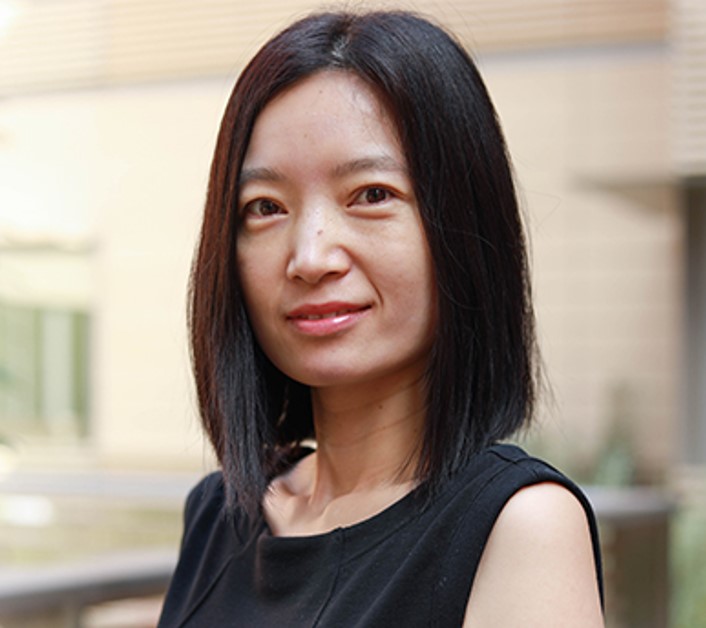
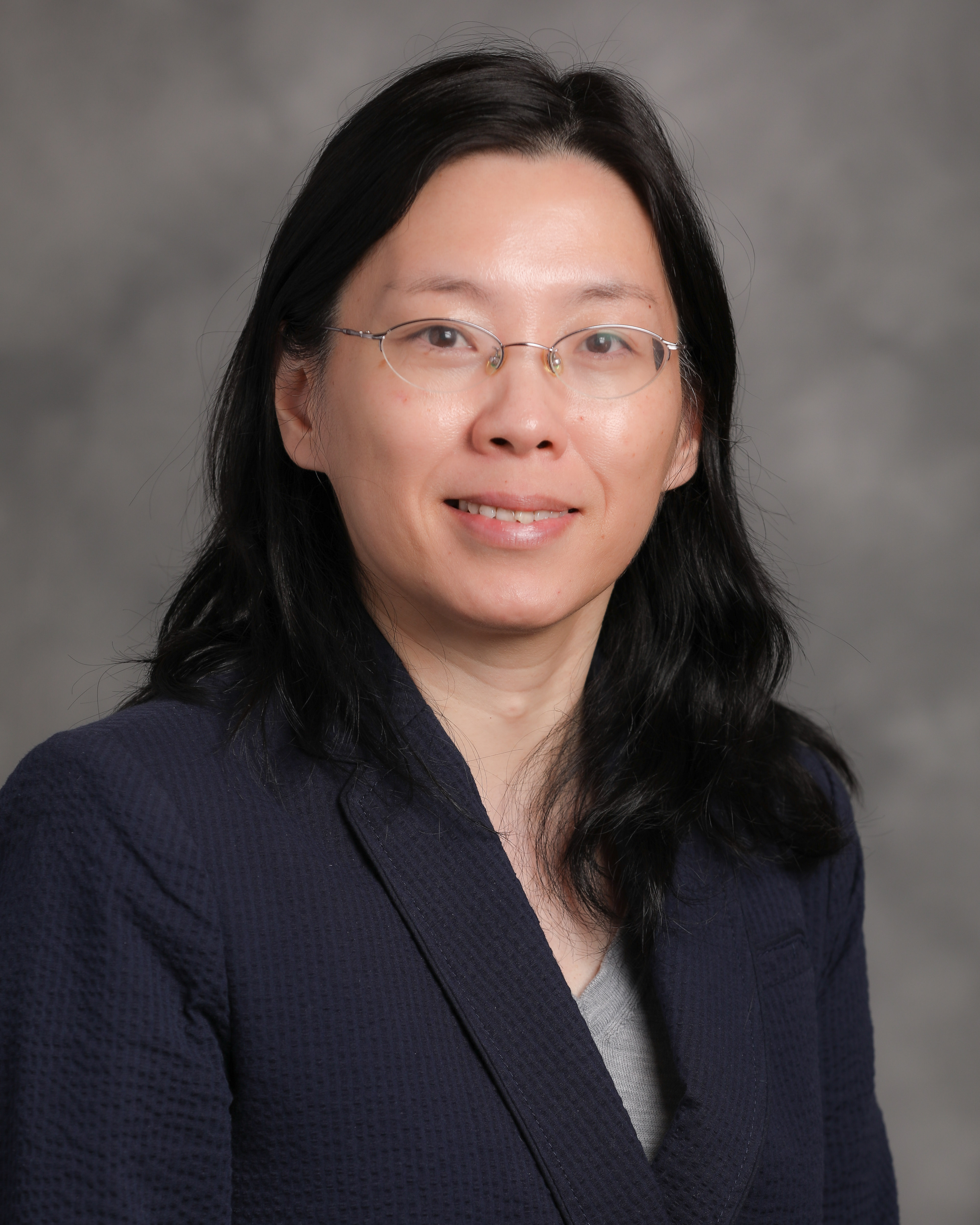
Yizhou Sun
Yizhou Sun University of California, Los Angeles Talk Topic TBD
People

Workshop Organizers

General Chairs
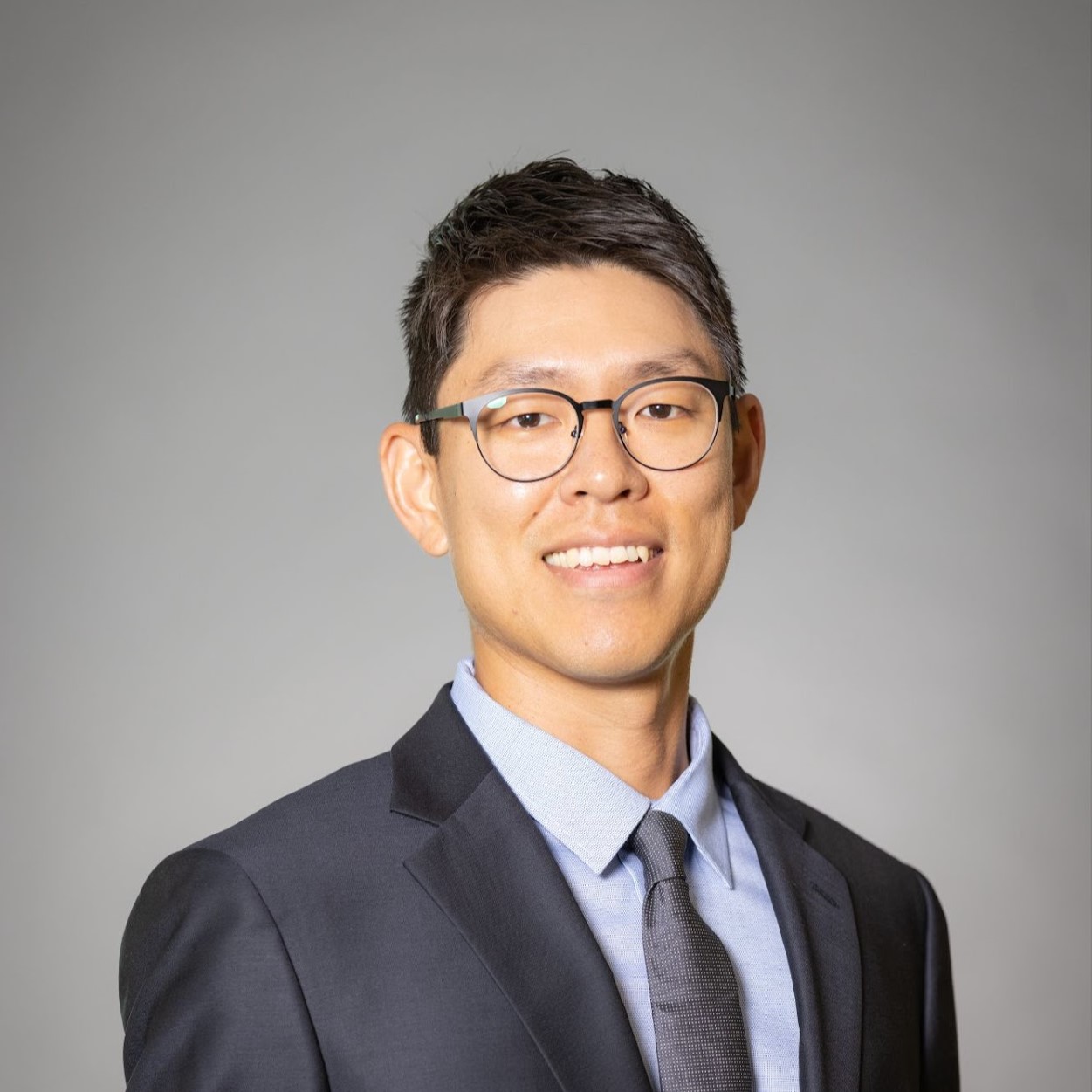
Seungbae Kim
Seungbae KimUniversity of South Florida↗ Website
Jinyoung Han
Jinyoung HanSungkyunkwan University↗ Website
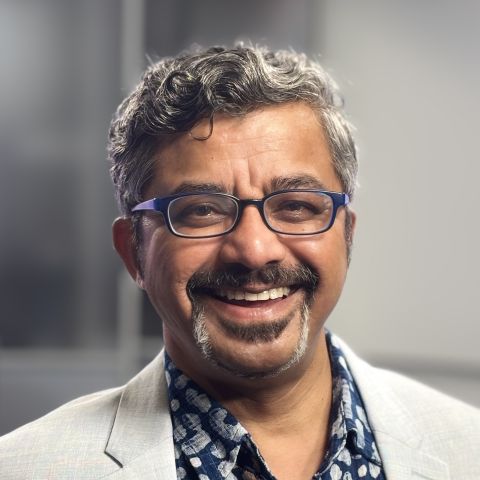
Shyam Sundar
Shyam SundarPennsylvania State University↗ Website
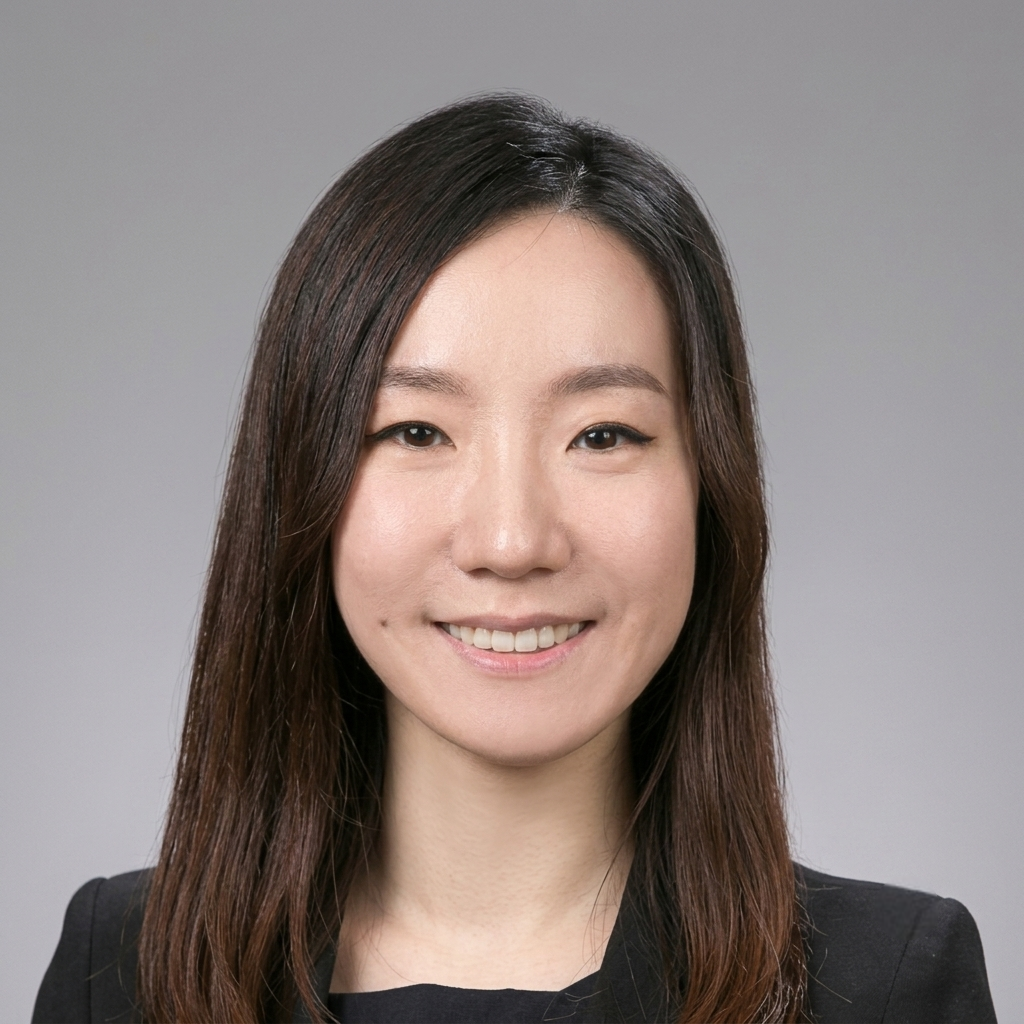
Wei Wang
Wei WangUniversity of California, Los Angeles↗ Website
Program Chairs
Haewoon Kwak
Haewoon KwakIndiana University↗ Website
Jisun An
Jisun AnIndiana University↗ Website
Local Arrangement Chairs
Sung-Eun Hong
Sungeun HongSungkyunkwan University↗ Website
Yunseok Choi
Yunseok ChoiSungkyunkwan University↗ Website
Government & Industry Chairs
Soyoung Park
Soyoung ParkNational Assembly Research Service↗ LinkedIn
Seunghyun Lee
Seunghyun LeeNaver AI Lab↗ LinkedIn
Technical Secretary
Doha Kim
Doha KimPioneer Research Group for Socially Responsible AI, Sungkyunkwan University
Support

Supported By

과학기술정보통신부 Ministry of Science and ICT
SRAI Pioneer Research Group for Socially Responsible AI
IITP 정보통신기획평가원